Collaboration with Landscape Architect Randle Siddeley
The Vision: Contemplative
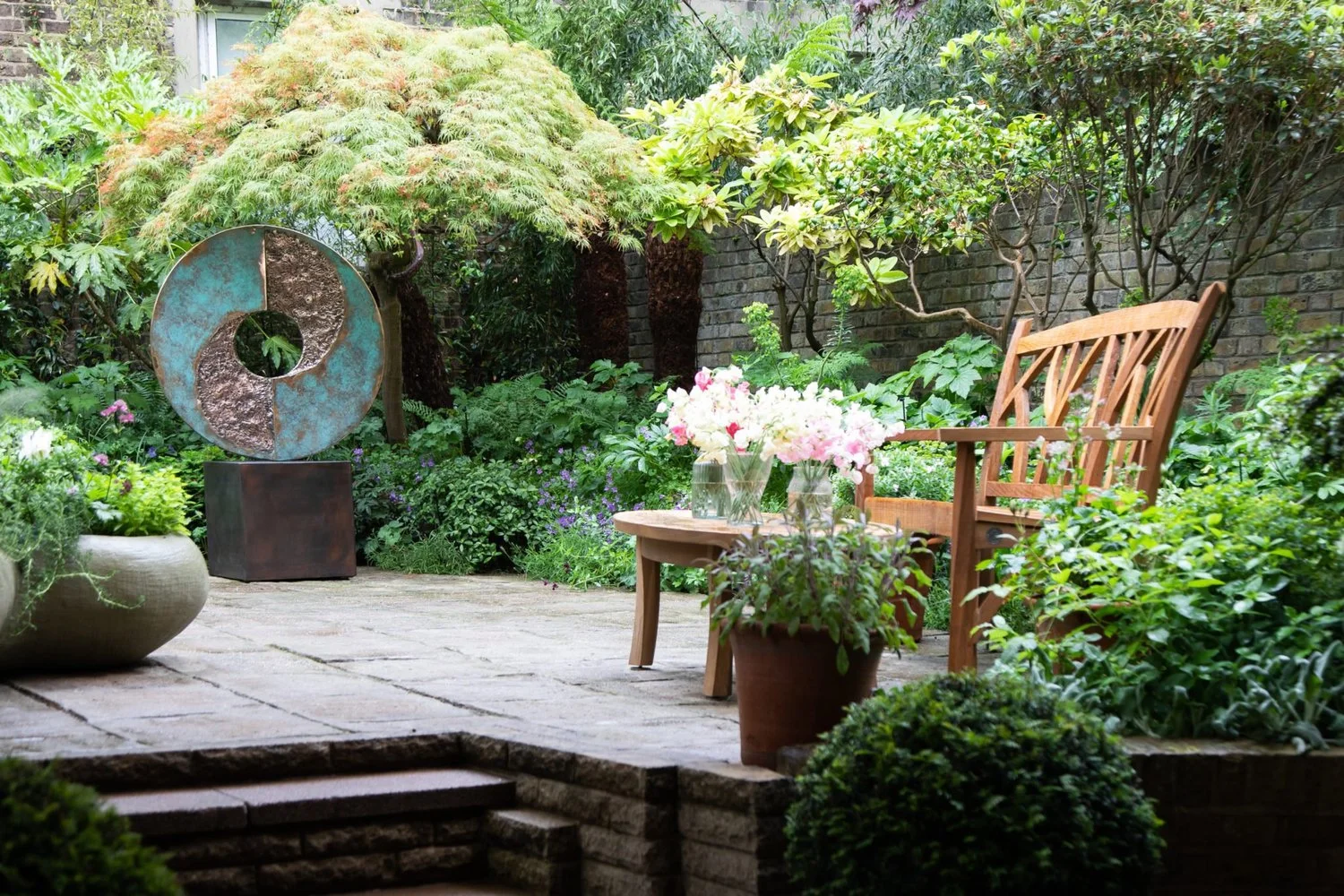
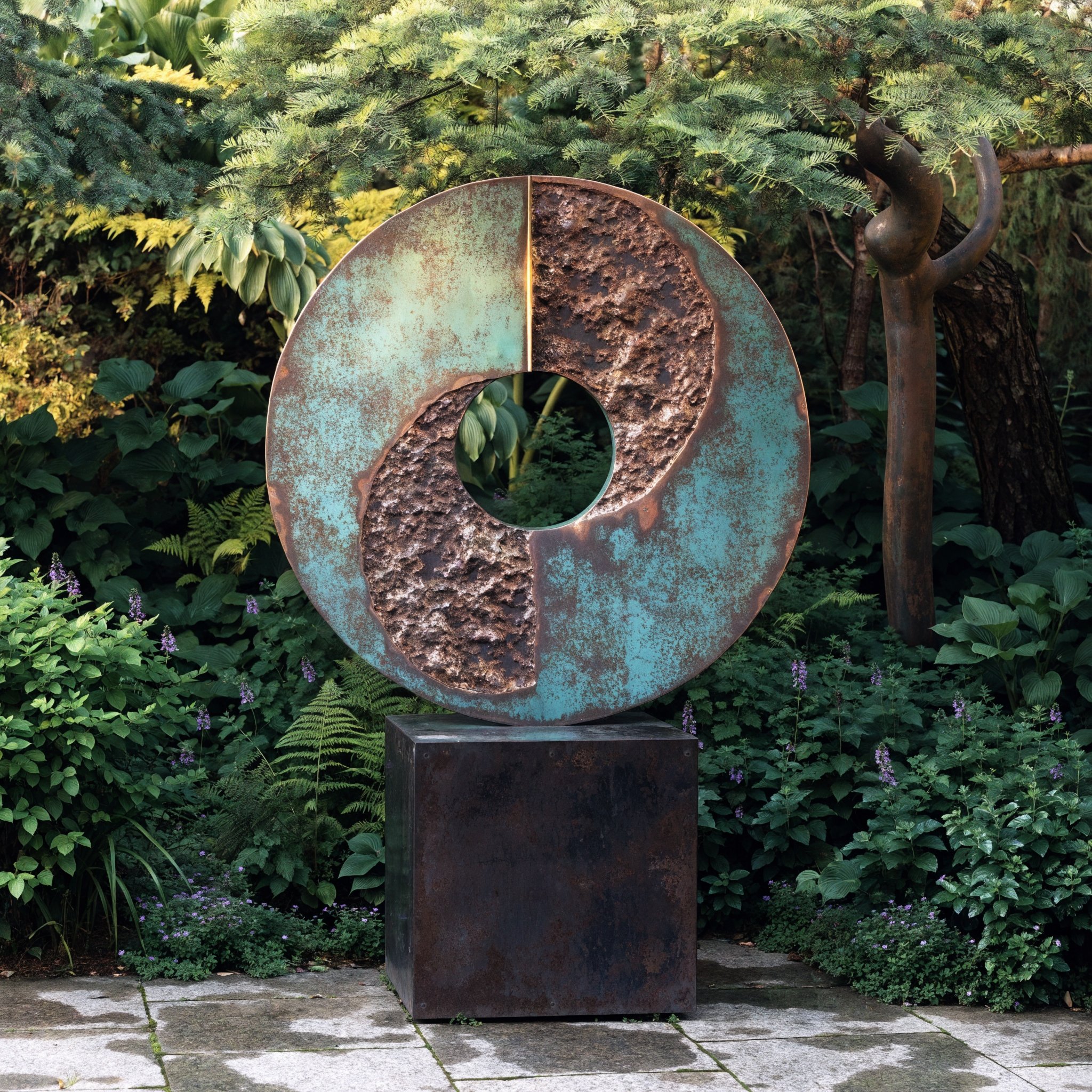
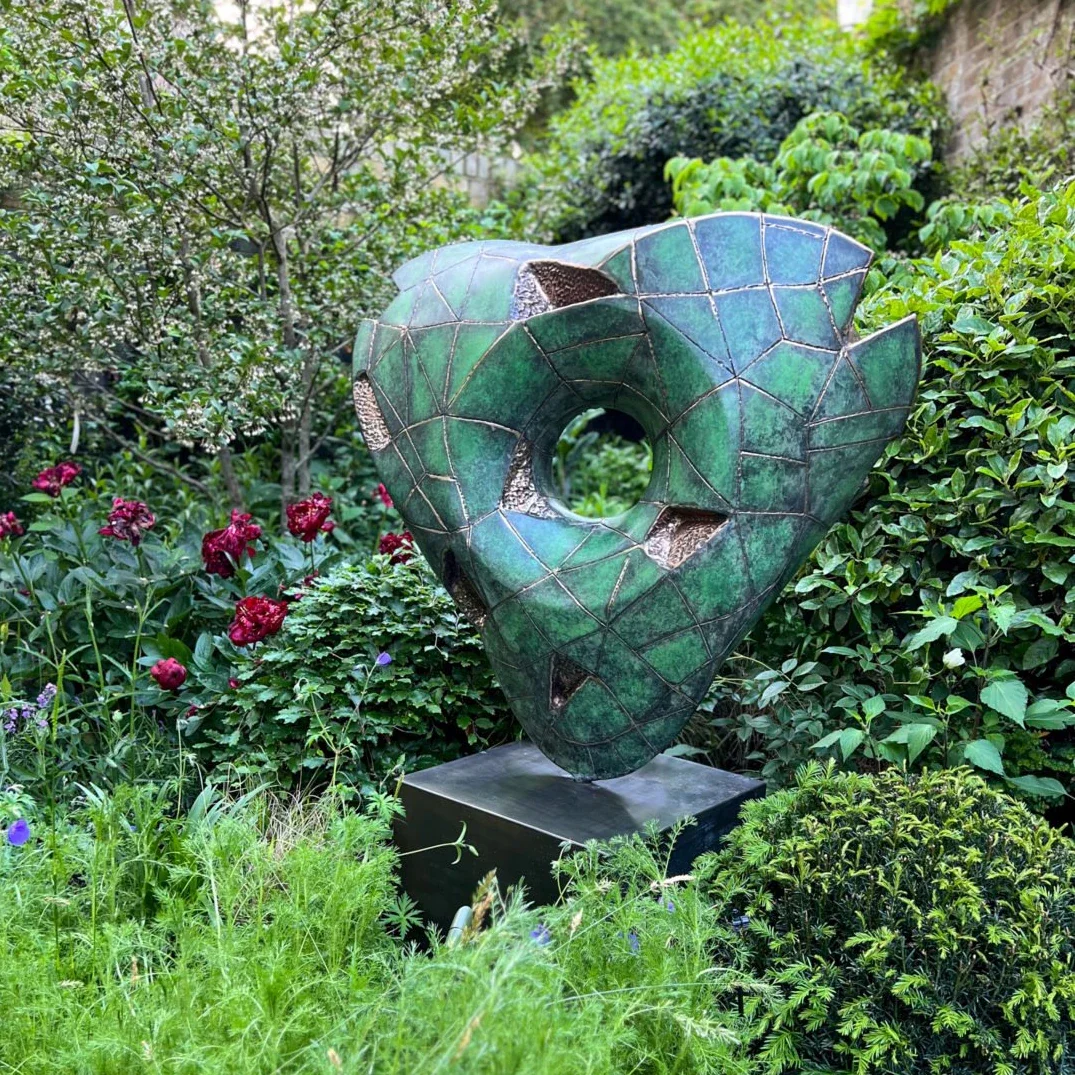
When prominent landscape architect Randle Siddeley designed his private London garden, he invited the studio to develop two unique bronze sculptures conceived specifically for the space.
Unlike public or institutional installations, a designer’s personal sanctuary demands absolute clarity of intent. The brief began with an outline of scale, spatial volume and rhythm, giving the studio the creative freedom to create works that were intrinsically balanced, structurally enduring and quietly contemplative.
Garden design operates as a grand composition, a living orchestration of plant architecture, light and changing seasons. Placing sculpture within that framework requires an acute sensitivity to boundaries and an active dialogue between the artist’s hand and the landscape architect’s spatial vision.
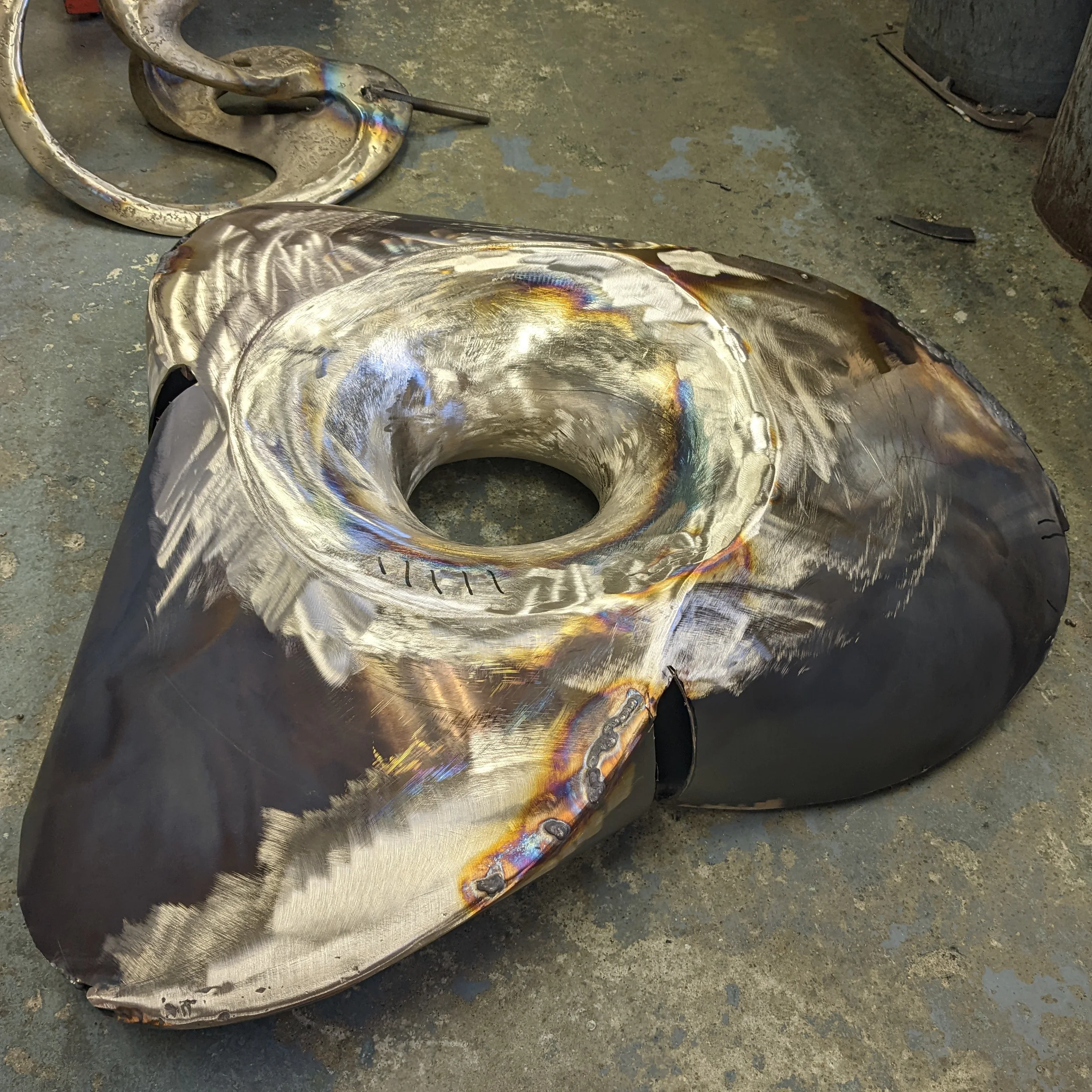
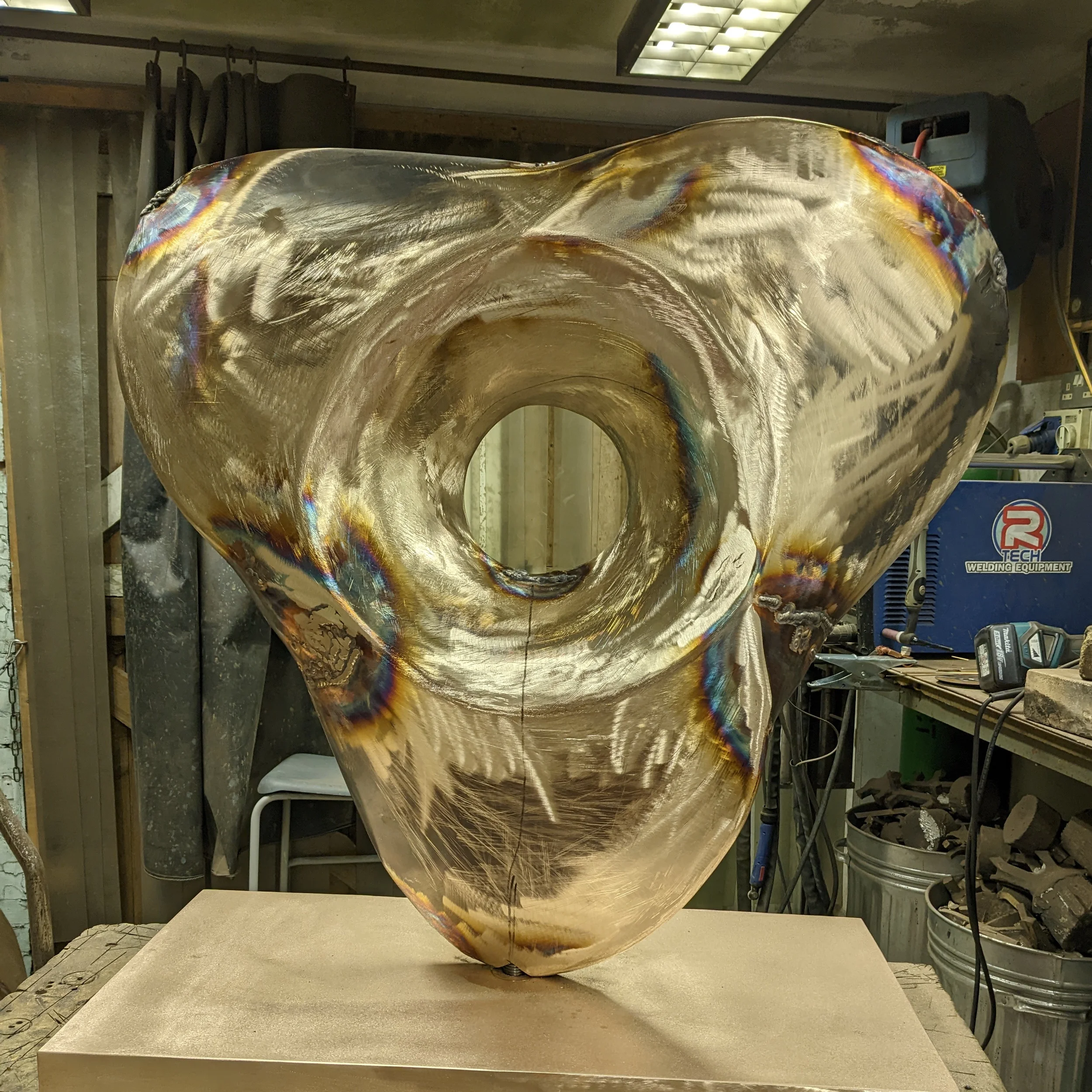
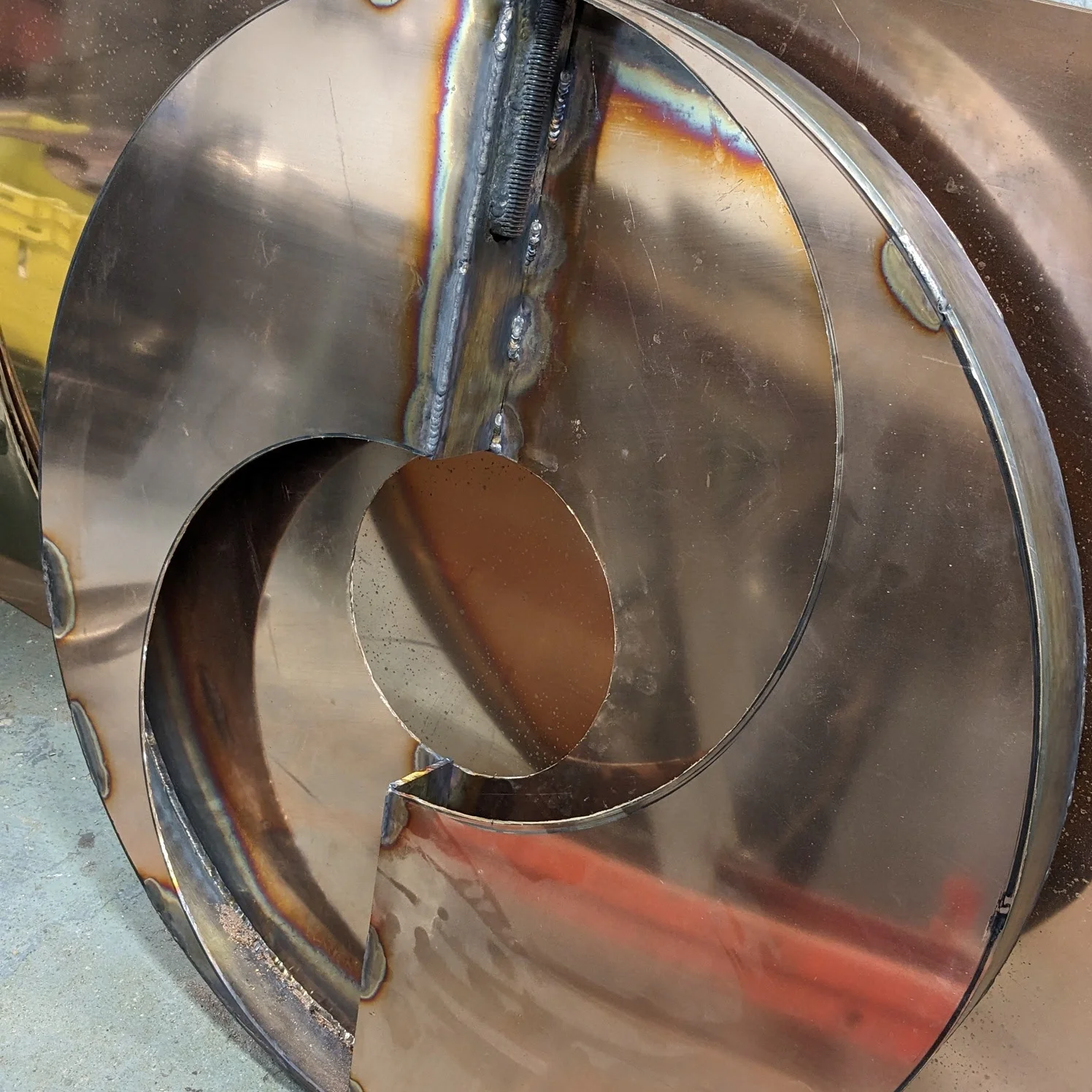
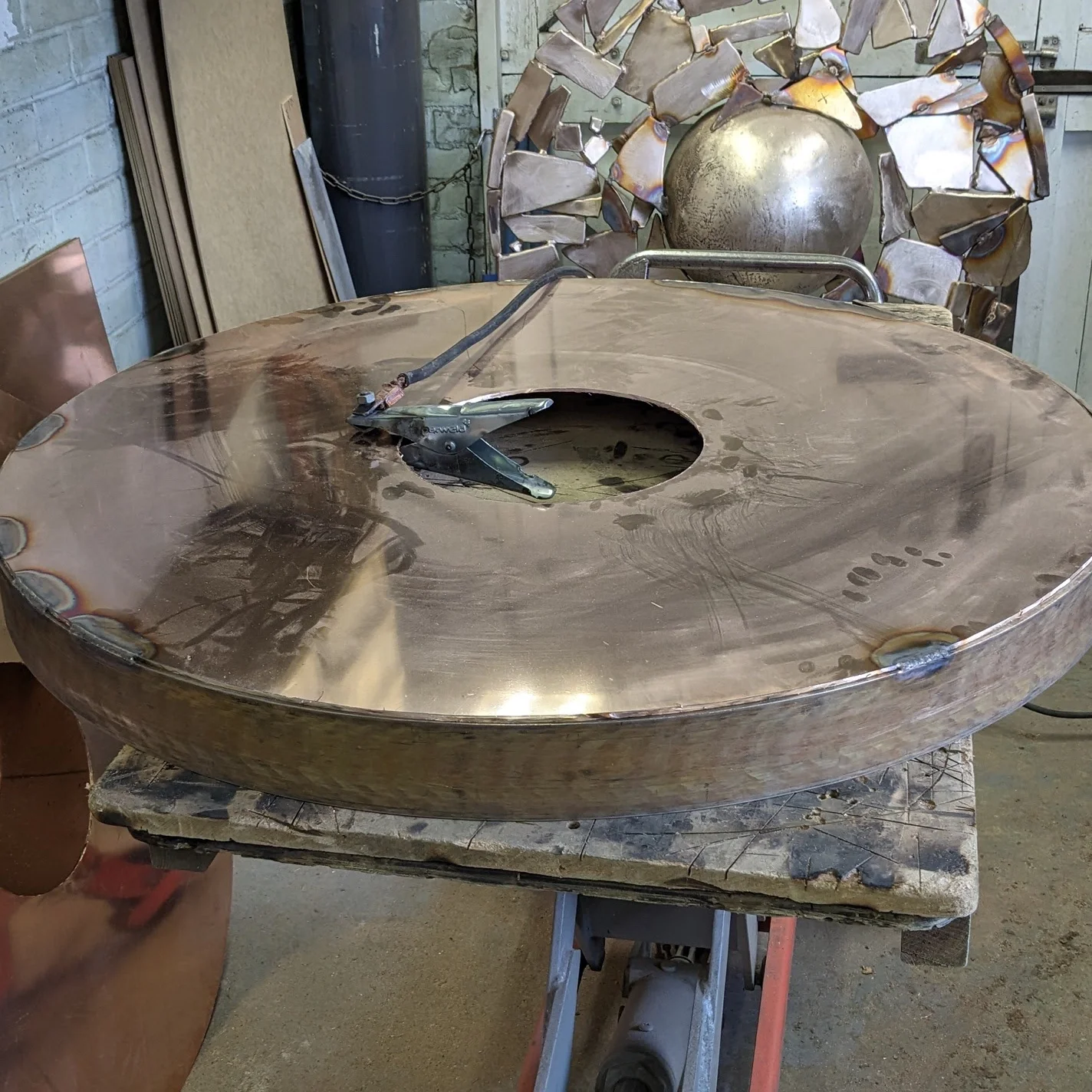
Studio Process & Materiality
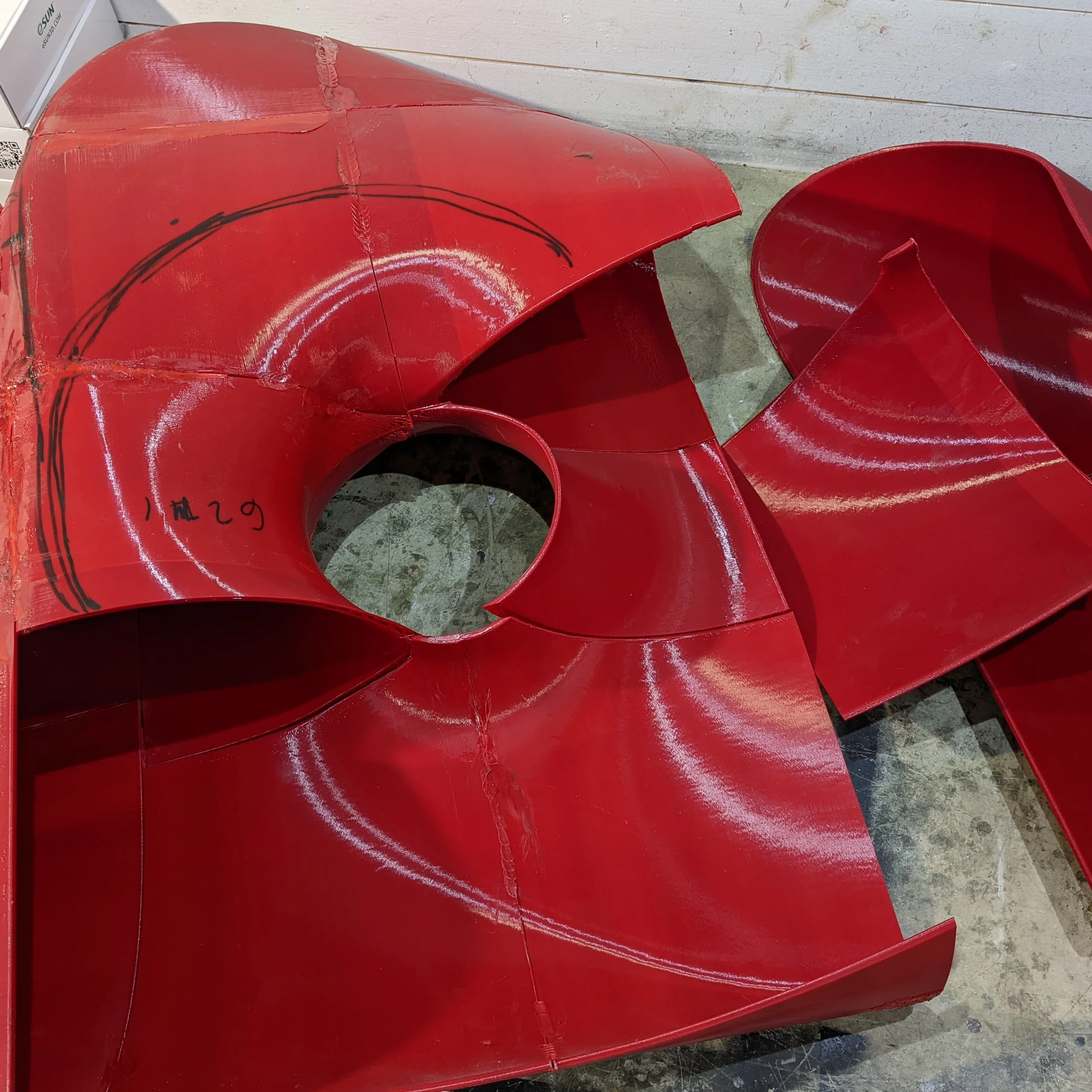
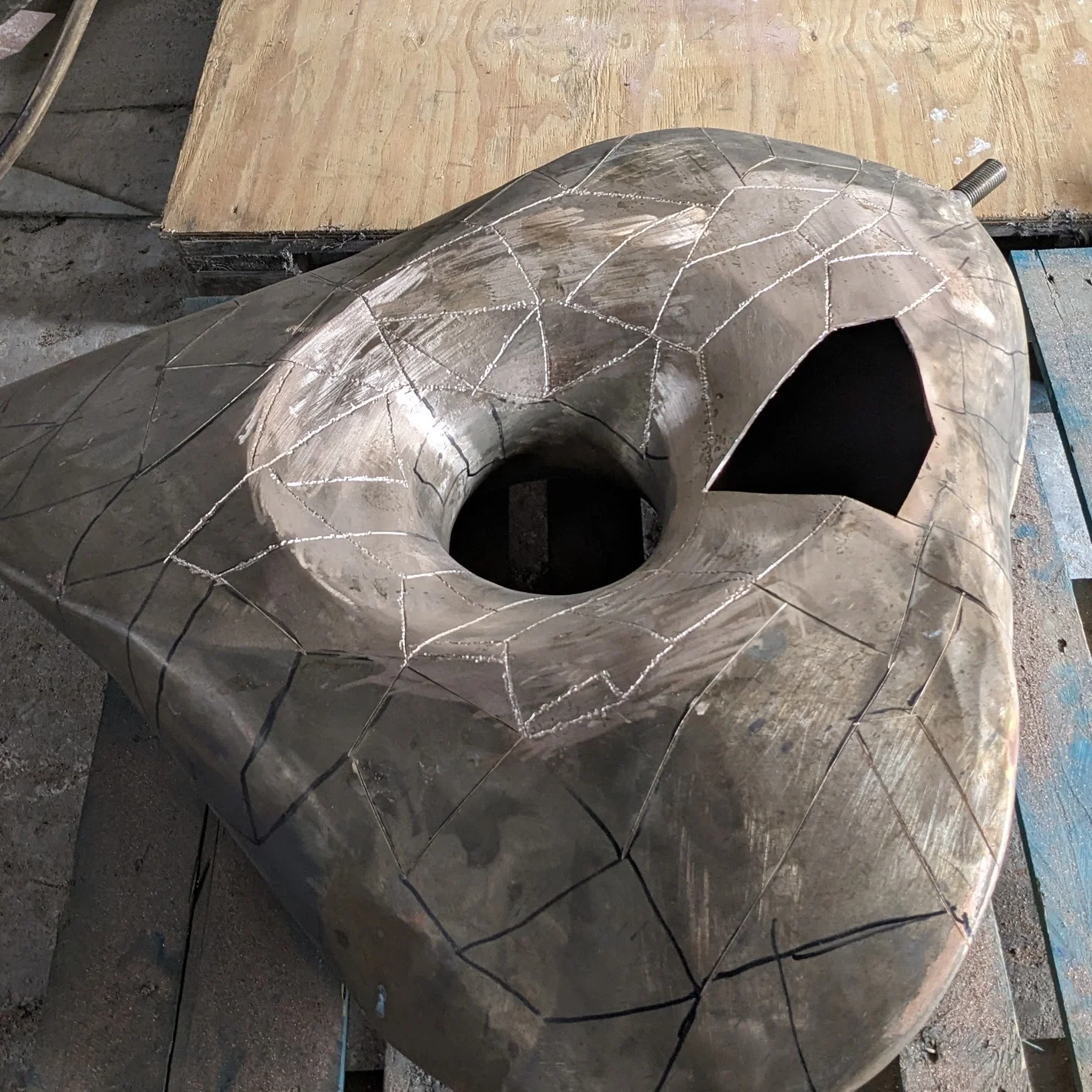
Both pieces were developed from initial sketches and clay models before being translated into robust, permanent forms through lost-wax investment casting.
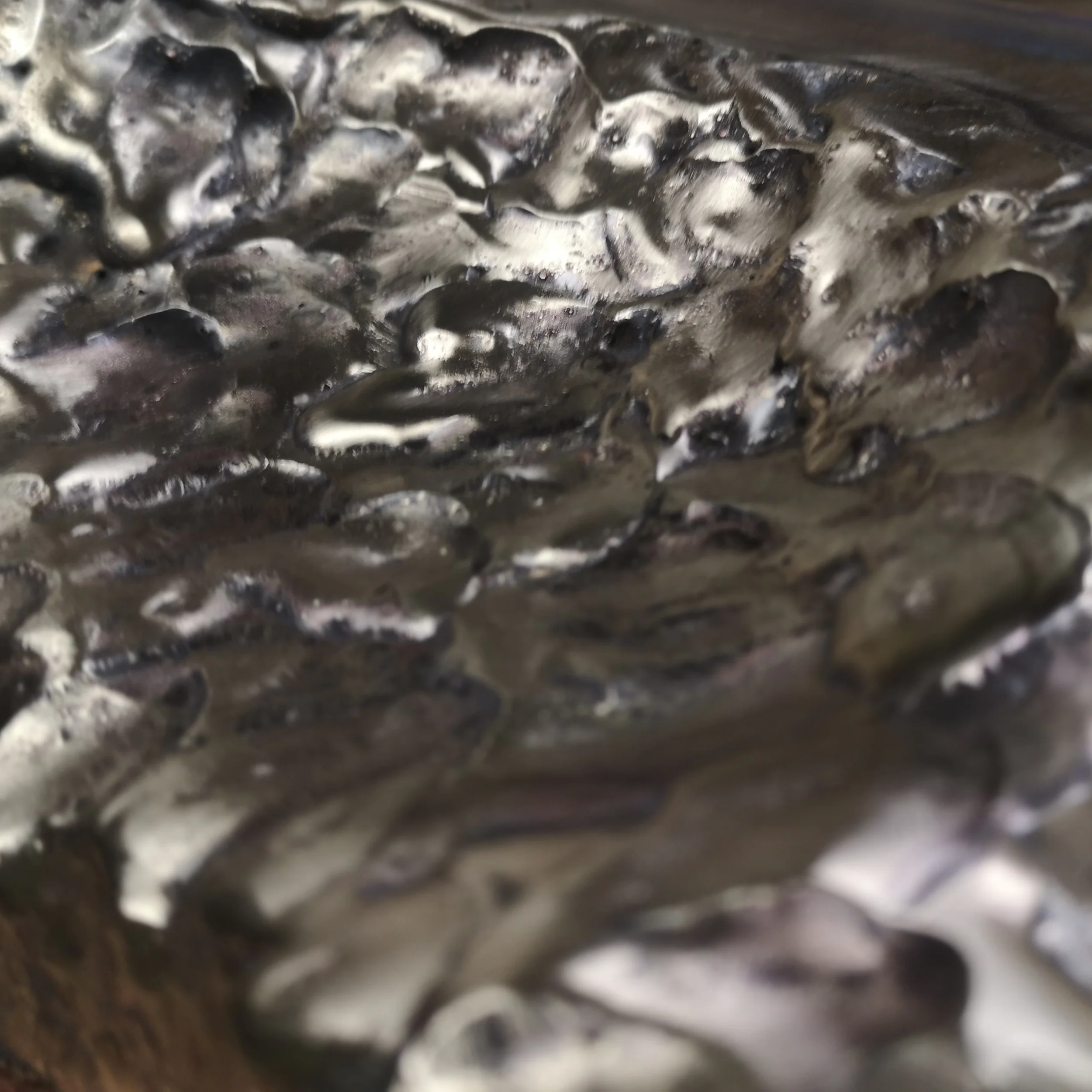
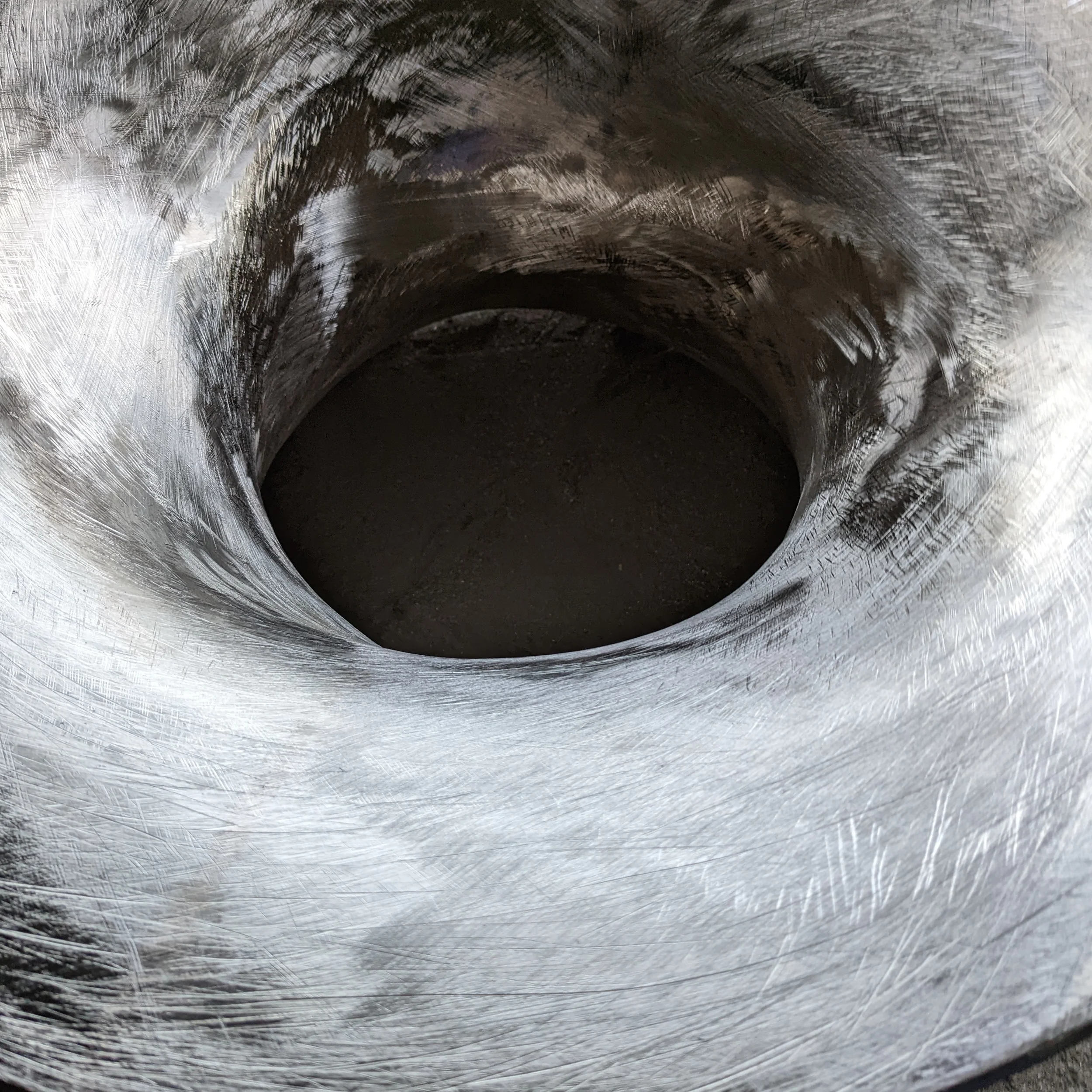
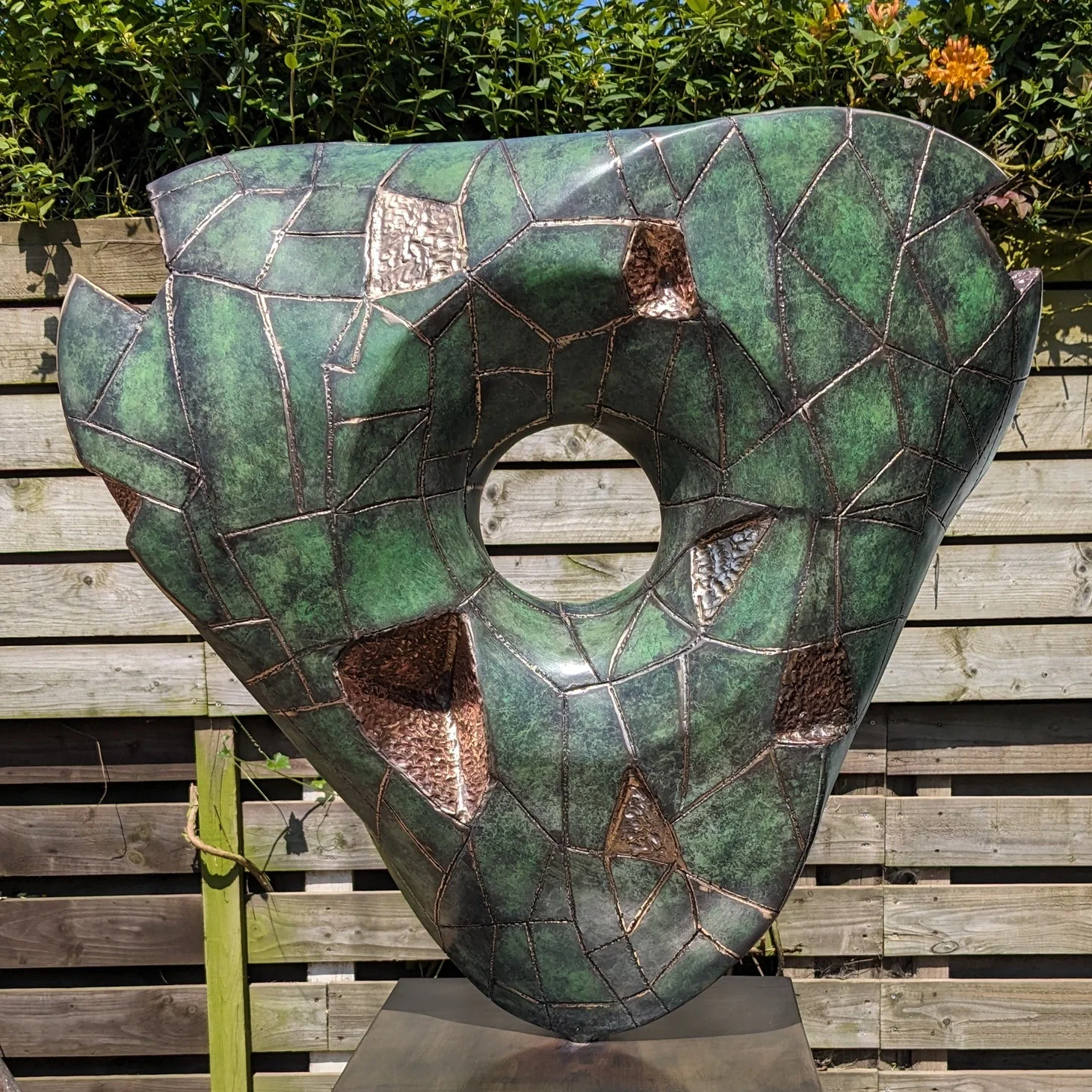
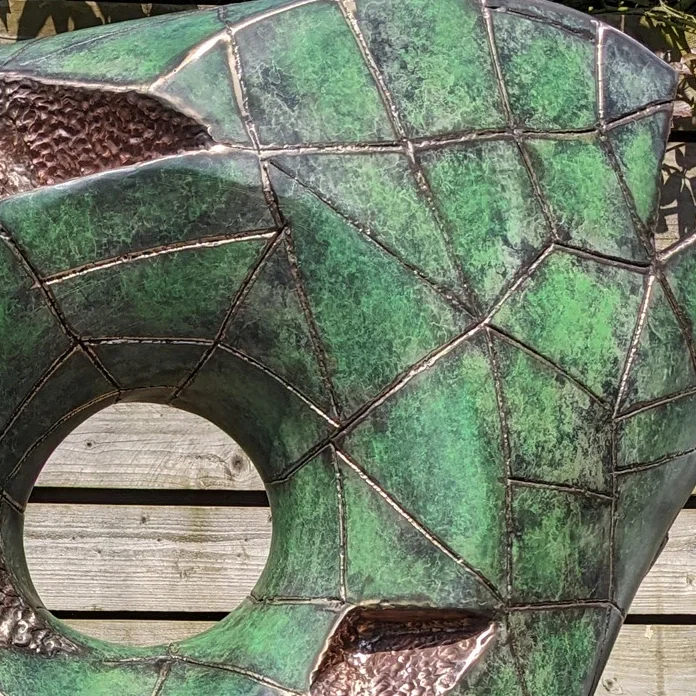
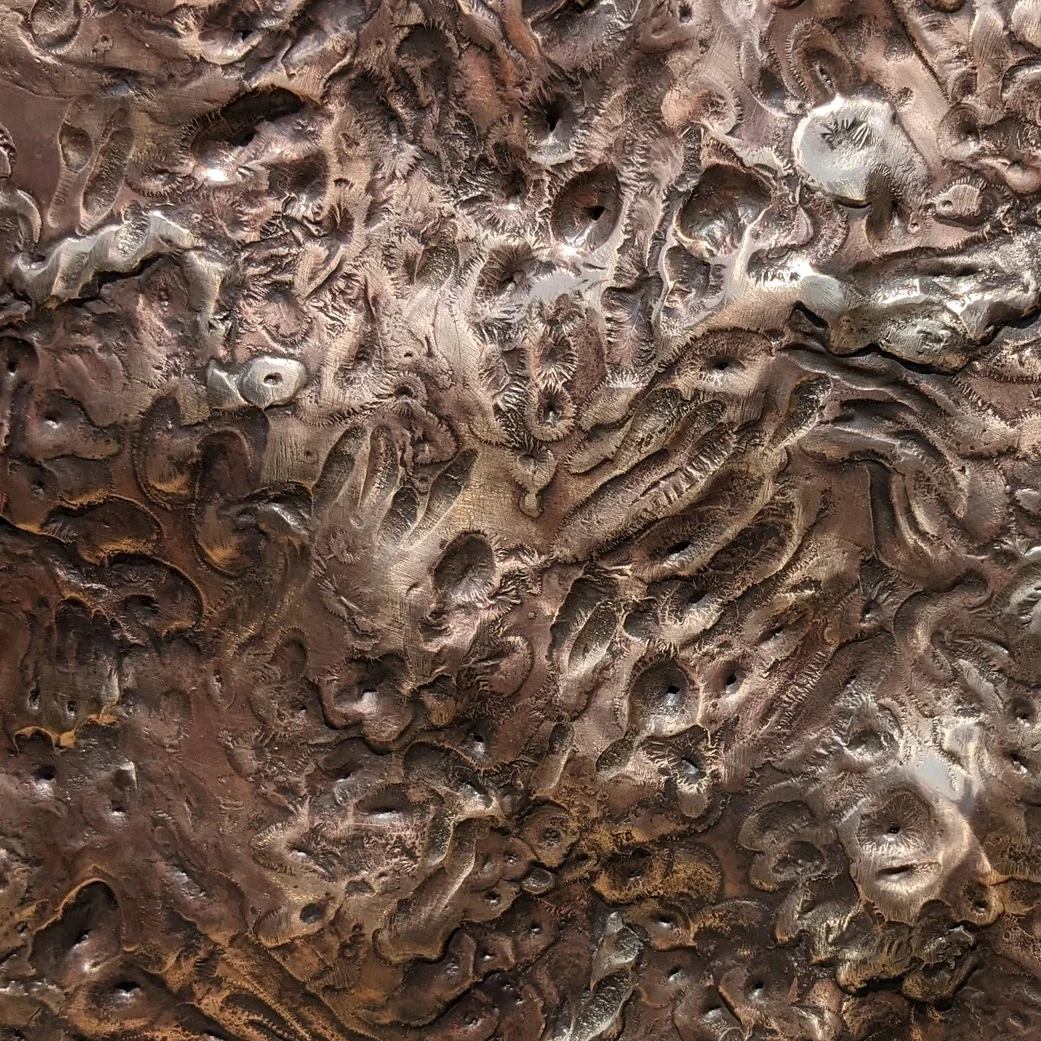
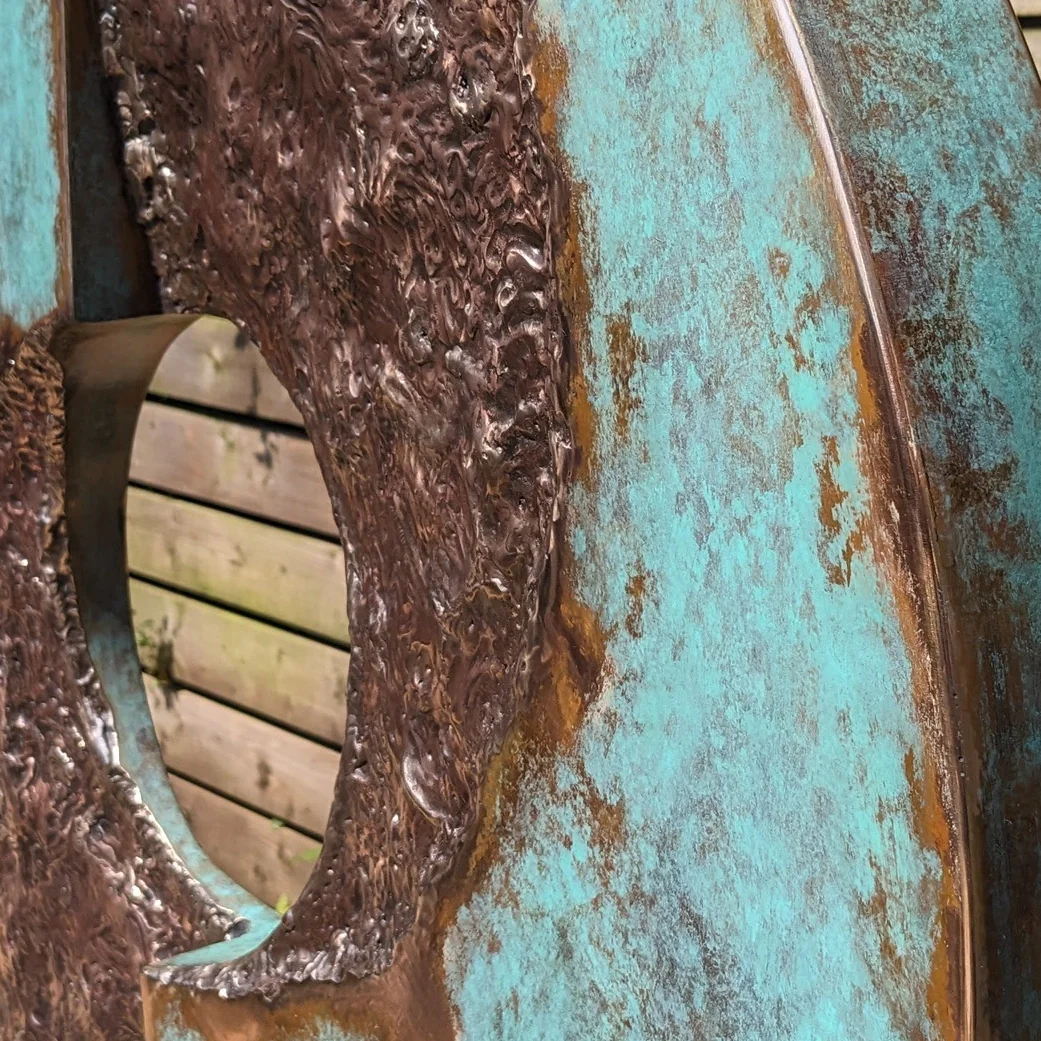
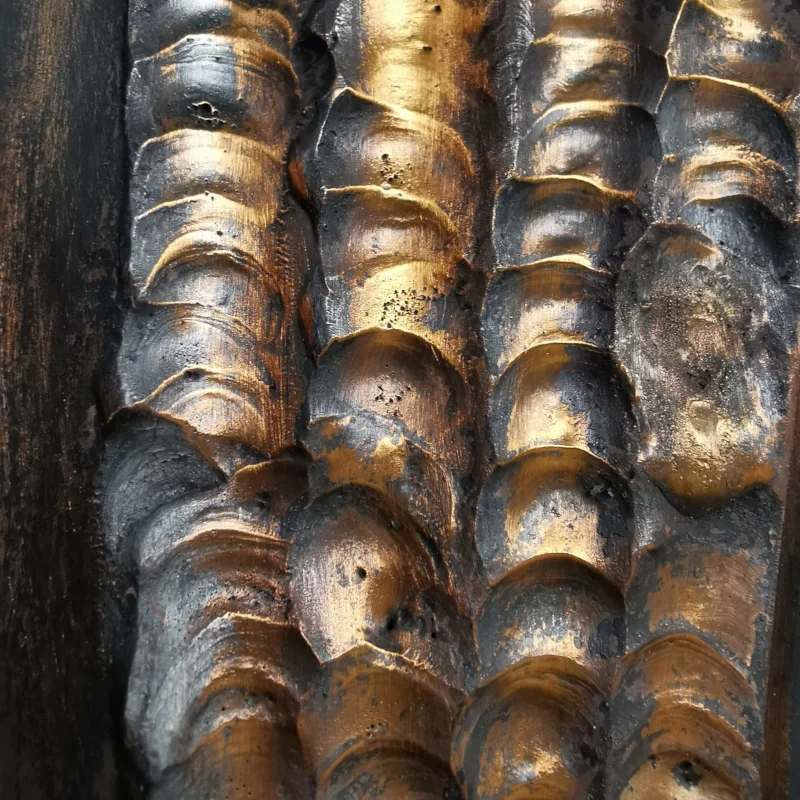
The Aesthetics of Transience: Guided by a wabi-sabi philosophy, embracing forms that are imperfect, impermanent, and incomplete, the surfaces were treated to evoke objects weathered by time or pulled from the earth. The works balance raw, textured organic terrain with precise, hand-finished lines.
Material Integrity: Cast in bronze, the sculptures possess the structural permanence required for exposed exterior environments while retaining delicate detailed textures.
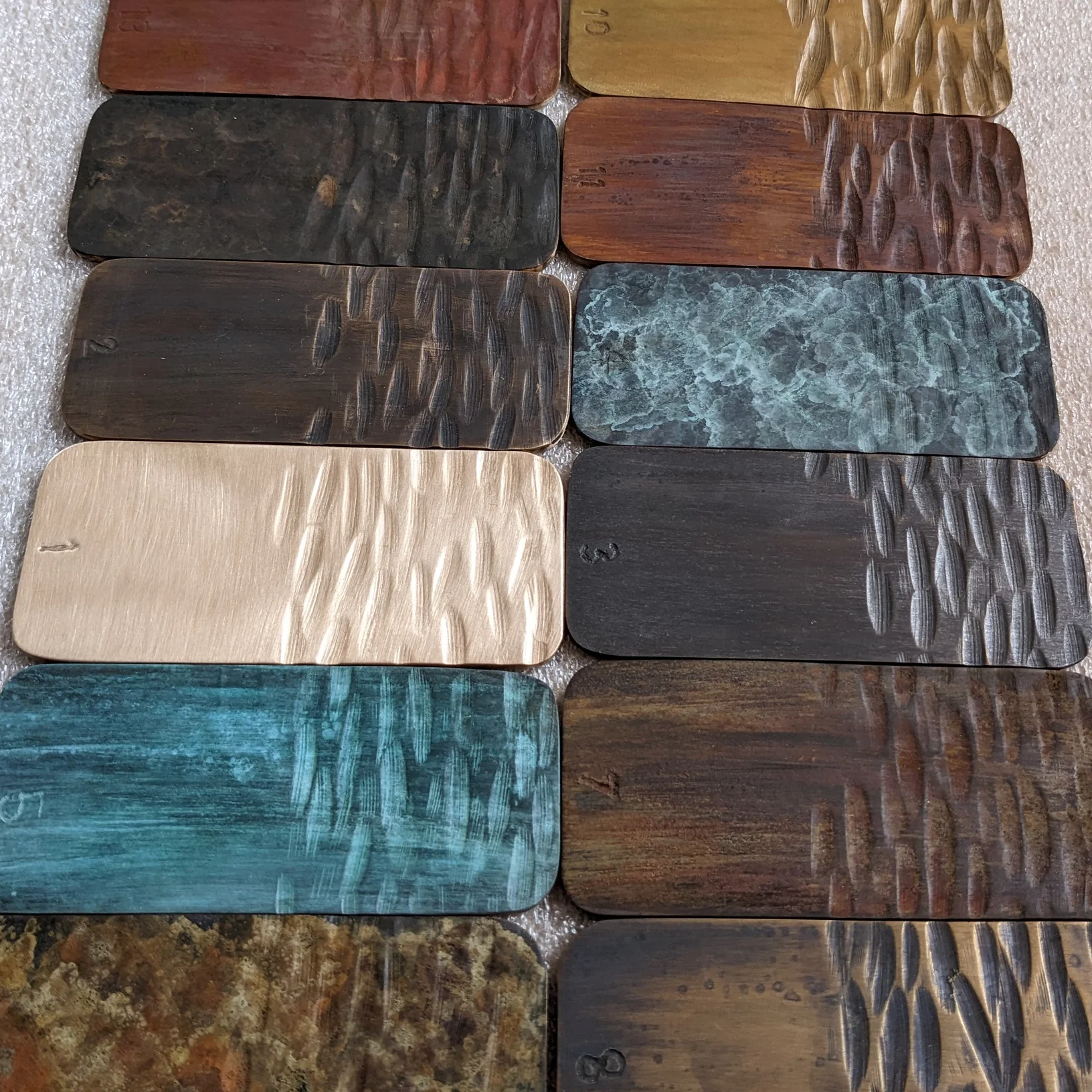
Patination & Dialogue: Studio consultations focused heavily on tone and finish. Patinas were developed to interact dynamically with natural daylight, shifting subtly from the damp coolness of morning light to the warm amber of late afternoon.
Placement & Integration
The journey culminated in bringing the pieces out of the isolation of the studio and into the finished landscape.
Focal Anchors: Positioned as strategic punctuation marks within the garden, the sculptures guide the eye, offering clear resting points within the overall planting scheme without overwhelming the living architecture.
Illumination: Integrated into the site’s bespoke night lighting scheme, the forms cast dramatic architectural shadows after dark, revealing facets and textural undulations invisible in broad daylight.
Open Contemplation: Designed with no prescriptive narrative, the pieces act like visual haikus, spare, poetic forms that present questions rather than answers, inviting the viewer to pause, sit and reflect.